


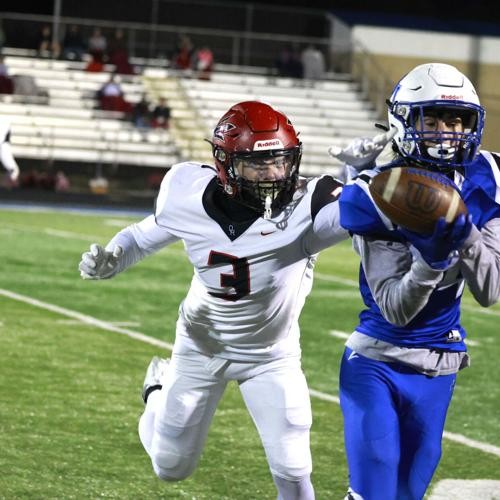

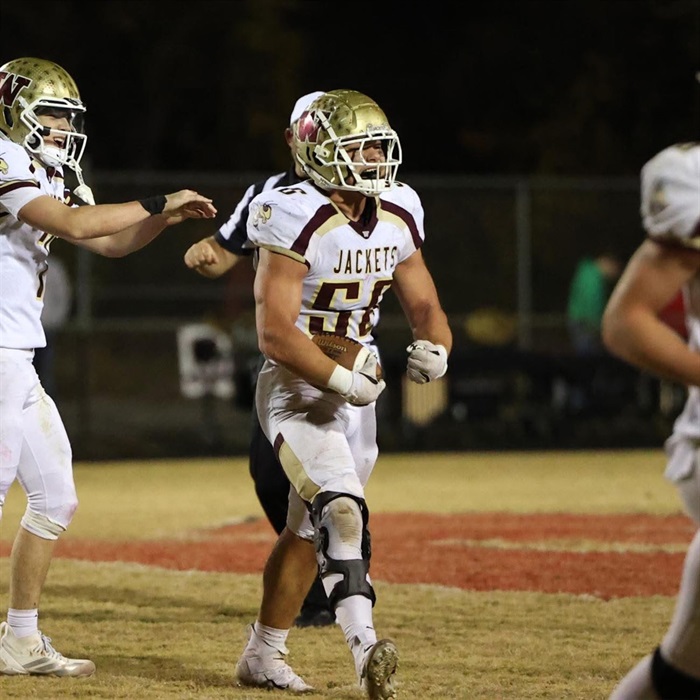
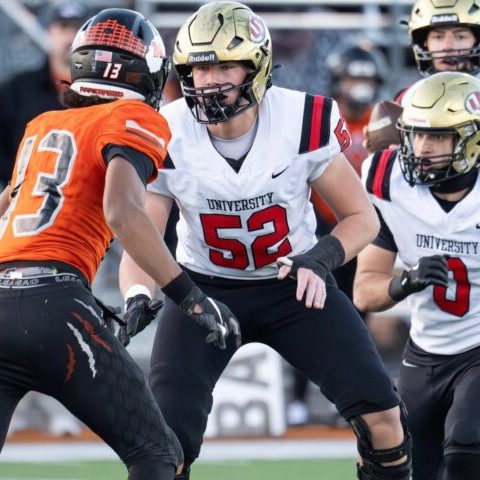
For players and parents, high school football lasts four years.
For coaches, it can be a lifetime.
Most players experience the finished product. They walk into a weight room, put on a jersey, step onto a well-maintained field, board a bus on Friday nights, and compete. The infrastructure of a football program simply exists. Rarely do they stop to consider how it got there.
Someone built it.
In many schools, the weight room that benefits not only football players but the entire student body exists because a coach spent years advocating for it. Many of the improvements inside it were purchased through fundraising efforts or, in some cases, directly out of a coach’s own pocket. Weight rooms, equipment, technology, uniforms, camps, and facility upgrades do not appear by accident. They require money. Money requires fundraising. Fundraising requires time.
And time is the one thing coaches never seem to have enough of.
The public sees Friday nights. They don’t see the offseason evenings spent watching film. They don’t see the summer mornings planning workouts or the countless hours building strength and conditioning programs tailored to individual athletes. They don’t see the texts, phone calls, meetings, academic check-ins, transportation arrangements, scheduling logistics, and endless administrative work required to keep a program functioning.
The number of hours invested into a football program is impossible to calculate accurately because the work never really stops.
Yet for players, the system often feels automatic. They arrive, participate, benefit from everything around them, and eventually graduate. It’s easy to forget that none of it existed without someone dedicating years of effort to creating it.
Then comes the season.
Most high school coaches are not full-time football coaches. They have jobs, families, bills, and responsibilities just like everyone else. Yet after a full day of work, they head to practice. They endure the same August heat, the same freezing November nights, the same long bus rides, and the same emotional highs and lows that players experience.
The difference is that when the game ends, their work usually continues.
None of this means coaches are perfect. They aren’t.
They make mistakes. They misjudge situations. They call plays that don’t work. They have bad days. Just as players miss tackles, drop passes, and throw interceptions, coaches are human and fallible.
Criticism and accountability are part of sports. They always have been.
But before standing in the bleachers and publicly berating a coach, it may be worth considering the full picture. Consider the years invested. Consider the sacrifices made. Consider the countless unseen hours dedicated to helping young people grow—not just as athletes, but as individuals.
Too often, the loudest voices are directed at the very people who have invested the most into a program and its community.
High school football does not exist because of scoreboards, rankings, or championships. It exists because there are people willing to devote enormous portions of their lives to serving young athletes.
Support your coaches.
You may not agree with every decision they make, and that’s okay. But recognize the commitment behind those decisions. Few people will ever invest more time, energy, and care into a program than the coaches who choose to lead it.
And for a profession that is often thankless, sometimes appreciation goes a long way.